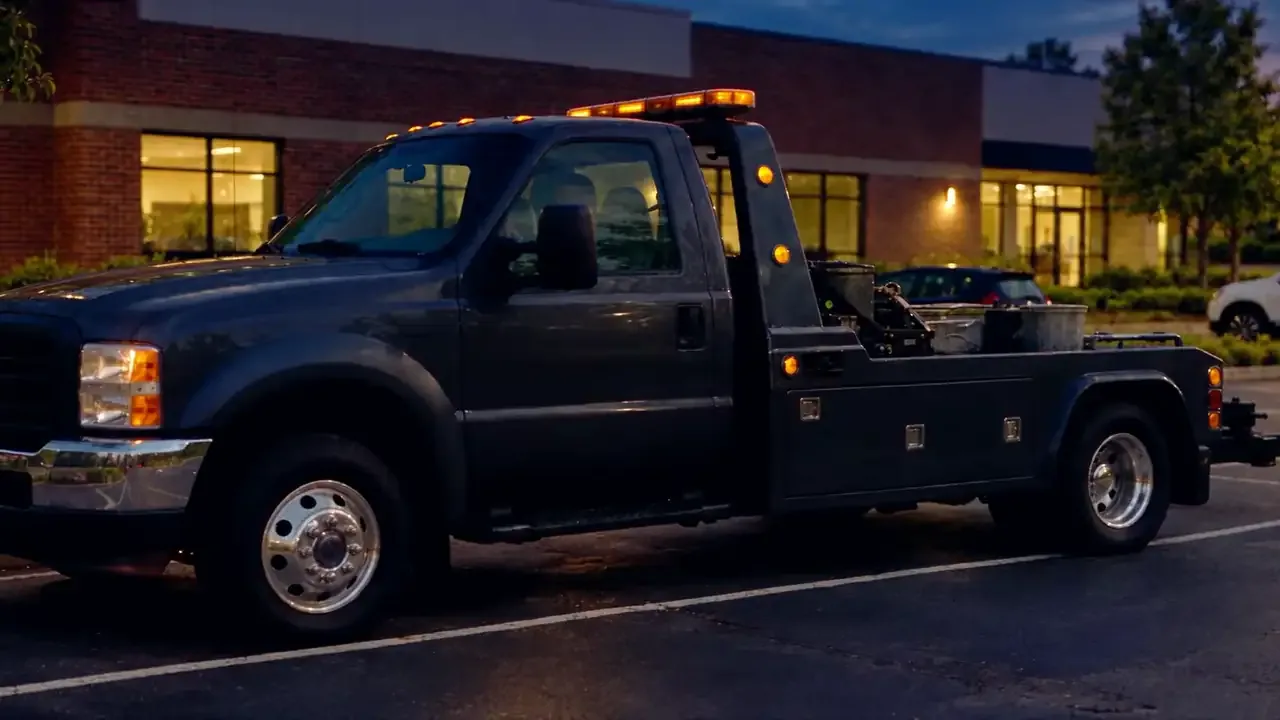
Parkva for Tow operators
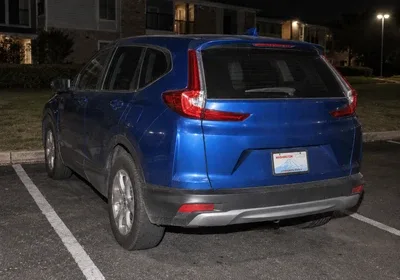
No permitChecked again 2:14 AM
Every plate checked from the truck, so your drivers go straight to the tow instead of searching for it.
No more hours a night on foot.
Your drivers walk each lot with a flashlight and type plates one at a time, while the truck sits and the next property waits.
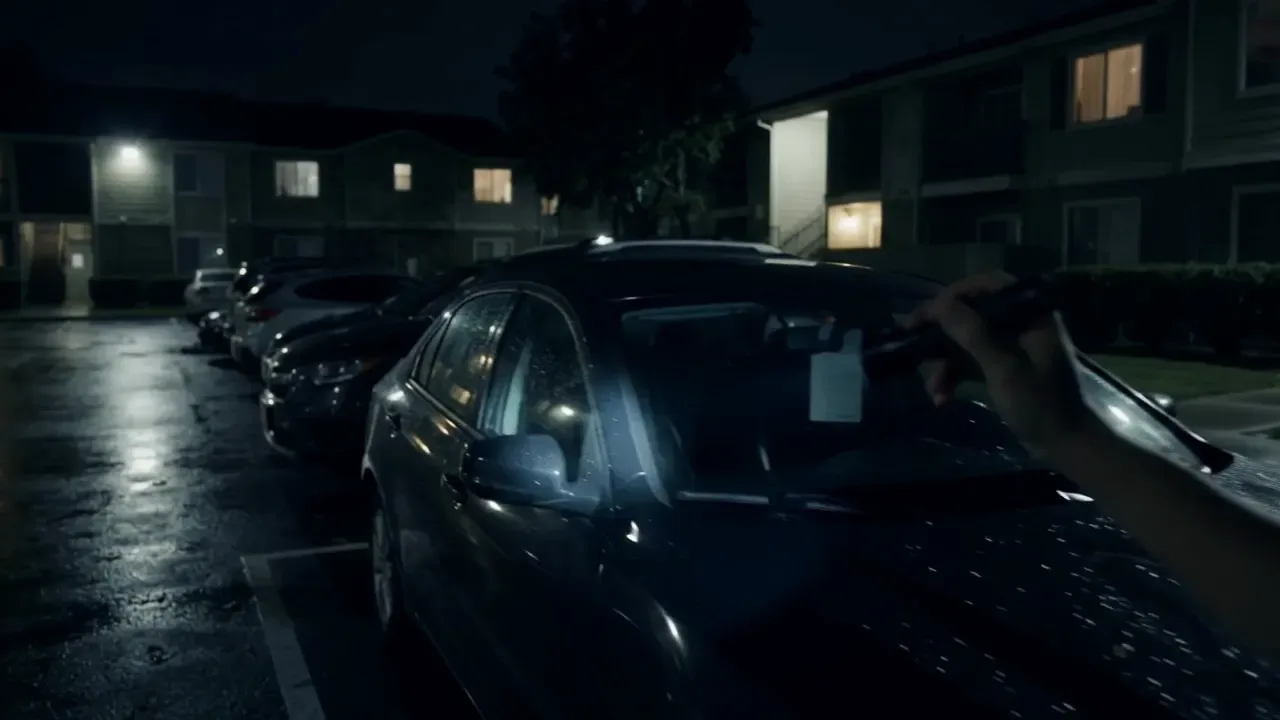
At night, a flashlight beam lights a hang tag on a parked car’s windshield, then moves on along the row to the next car, a phone in the other hand. A dark lot, on foot.
Every property, a different permit system.
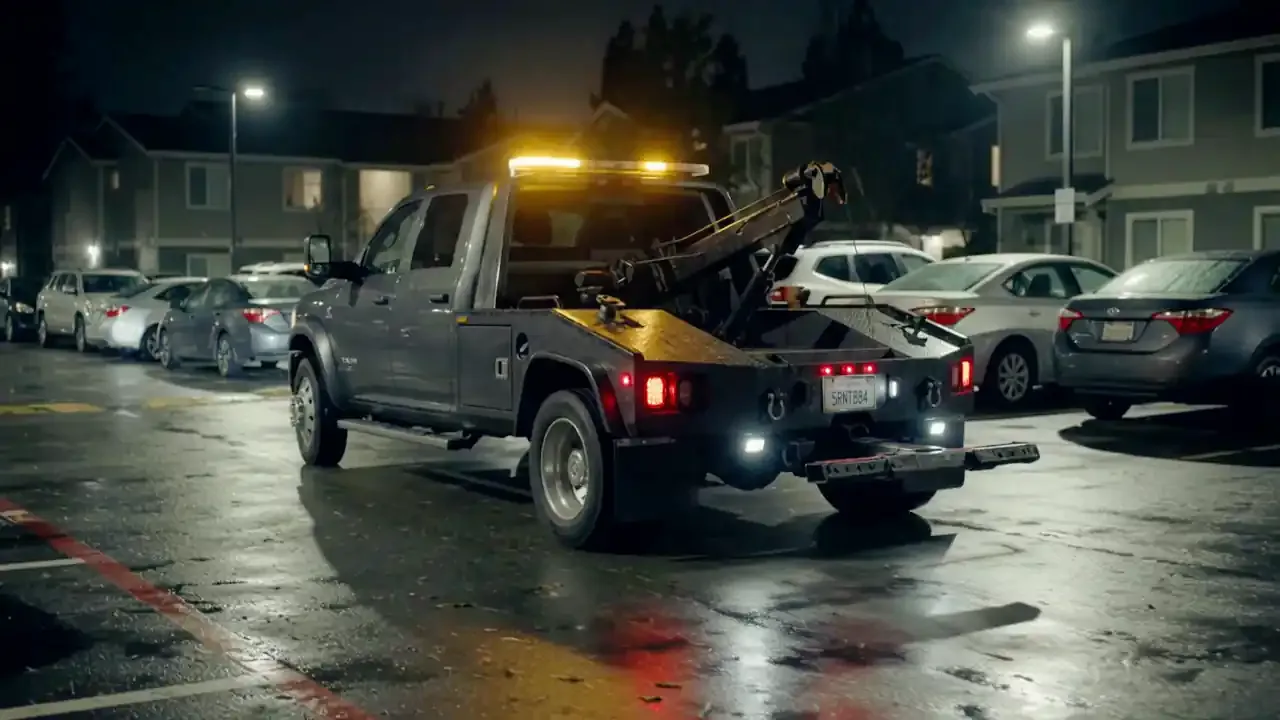
Diesel on lots with nothing to tow.

With Parkva Patrol
More lots a night.
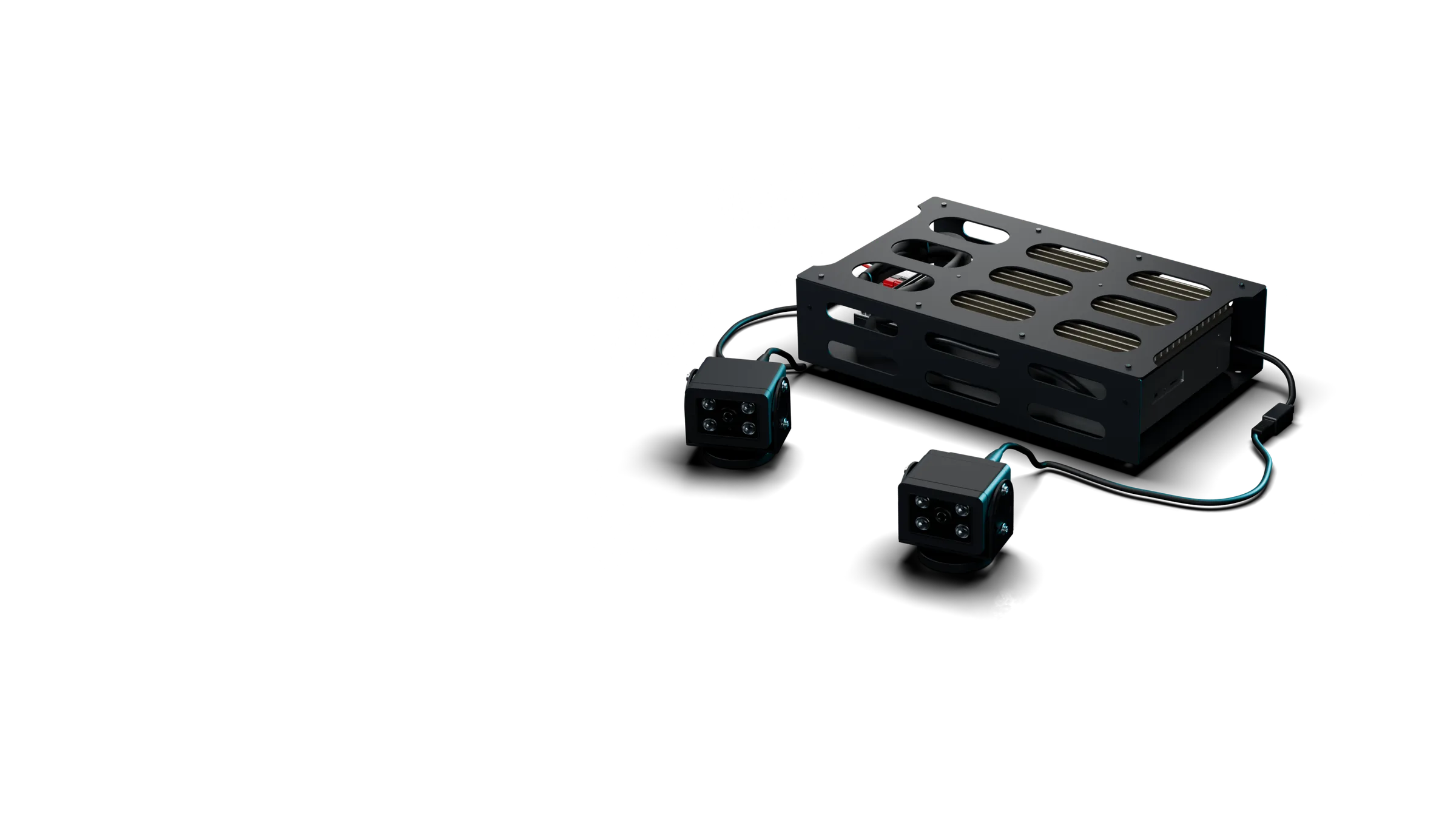
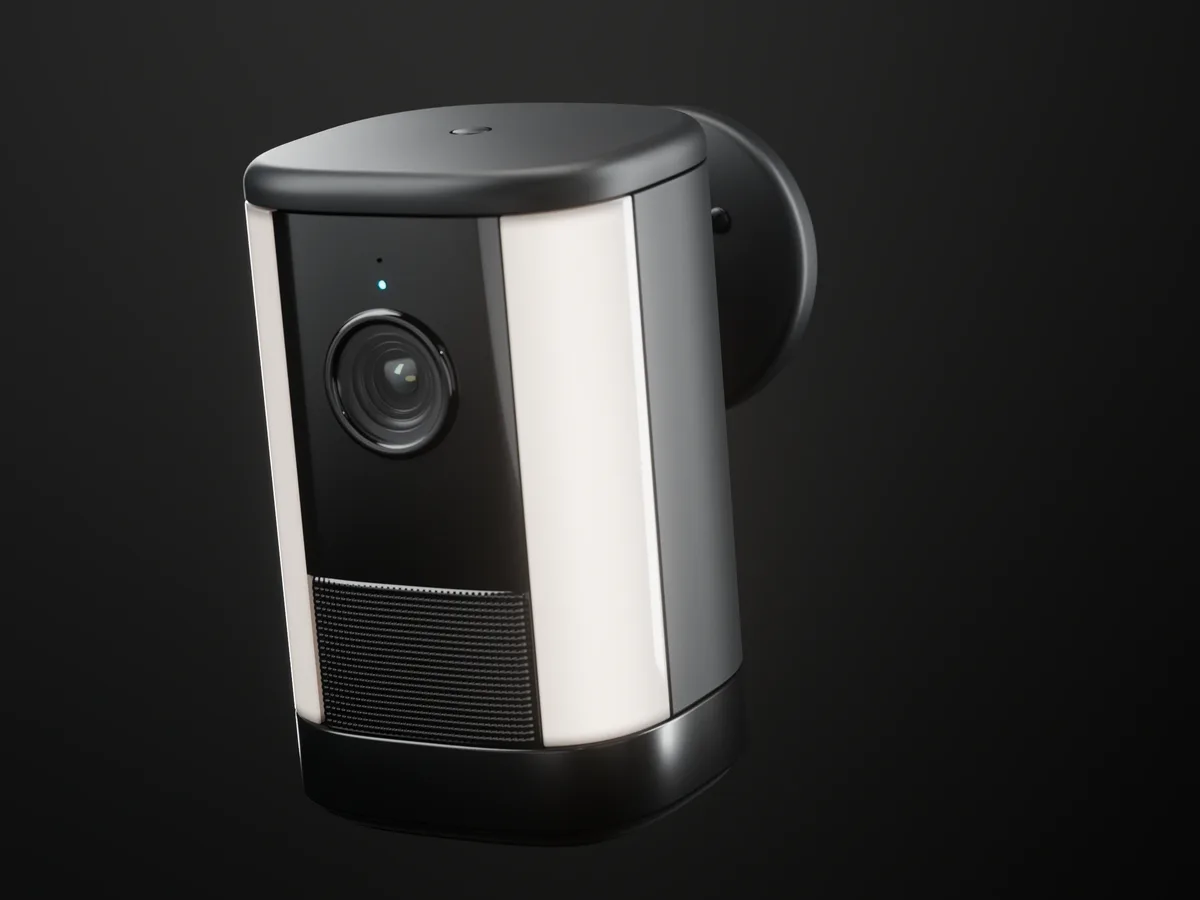
Parkva Patrol’s cameras read plates on both sides as the truck drives, so a lot takes minutes, not hours. Put Patrol on a spotter car, and the tow truck rolls only when there’s a car to tow.
- 5xfaster patrolsCedar Towing
- 20properties a shift, from 3 or 4FTR Inc
- 2xmore done per driverA Midwest tow operator
“Once the property is setup, the time savings of scanning a lot with Parkva are so big, it’s hard to justify doing it any other way.”
FTR Inc
Say yes to any property.
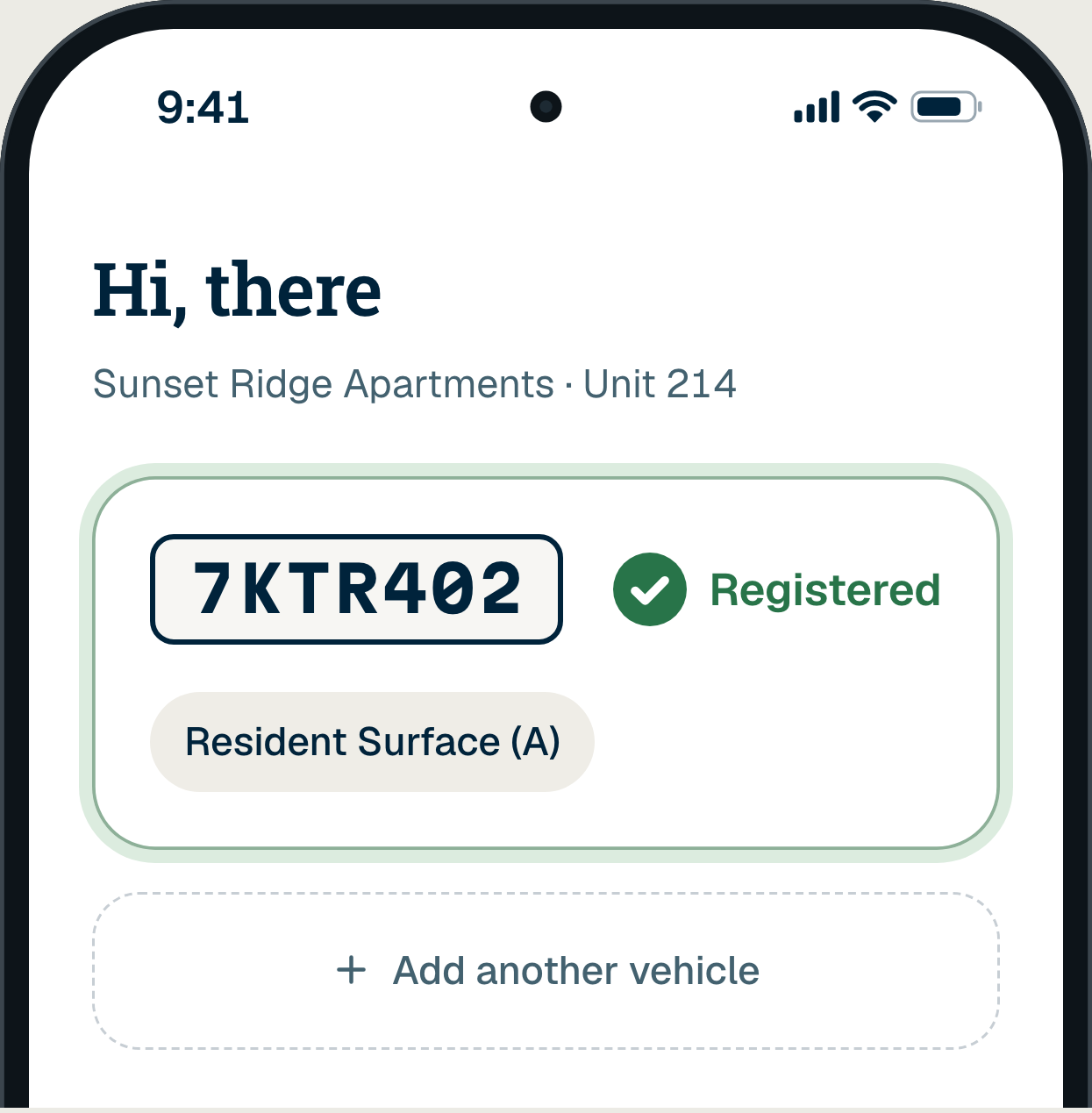
Patrol checks plates against the permit system each property already runs, so no property manager has to switch anything to sign with you. At a lot with hang tags or stickers, your driver checks them once, and after that only the new cars come up.
- ParkMobile
- Parking Boss
- ParkM
- Flash
- ParkWhiz
- Autura
- SimplyPermits
- Reliant Parking
- ParkQ
- ParkingSnap
- Omadi
- ParkingPass
- H4
- TowCentric
- ParkStash
- Parking Permits of America
- ParkByPlate
- Guardian Parking
- + more
A tow you can stand behind.
One tap checks the plate again, live, right before the tow, so the guest who paid two minutes ago shows as paid, not as a car to tow. On the phone, a plate on file one character off is put beside what you typed before you act.
Your drivers need a login, not an install: the check runs in their phone’s browser. Drivers who’d rather have an app use the Parkva app for iPhone and iPad, with the same login and the same check.
“Mistaken tows are way down. That protects our reputation and cuts wasted time and fuel.”
Cedar Towing

Drivers stay in the truck.
The tablet in the cab shows which cars have no permit, so nobody walks a dark lot alone at 2 AM.
“Our drivers stay in the truck now. As an owner, keeping them safe is a top priority, and this makes a real difference.”
Cedar Towing
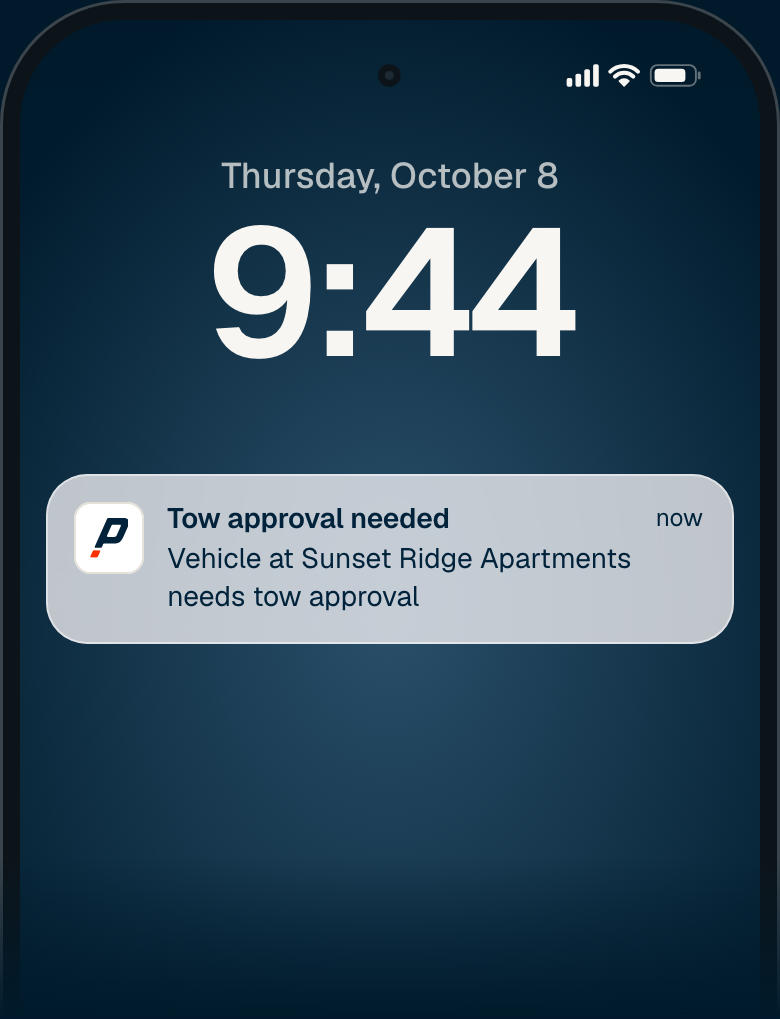
Tow requests arrive ready to dispatch.
Each tow request reaches your dispatcher with the plate, the car, and where it’s parked, so nobody calls the driver back to describe it. Where your dispatch software is connected, like Omadi, it goes straight in.
Action Needed1
226ZZEHonda CR-V
Sunset Ridge ApartmentsNo Permit
- Warnings
- 2 of 2
- Manager
- Tow on next violation
A ticket where a tow doesn’t fit.
One tap prints a ticket in the truck, for a first offense or a property that won’t allow tows. Whoever parked scans it to see the photos, then pays or appeals.
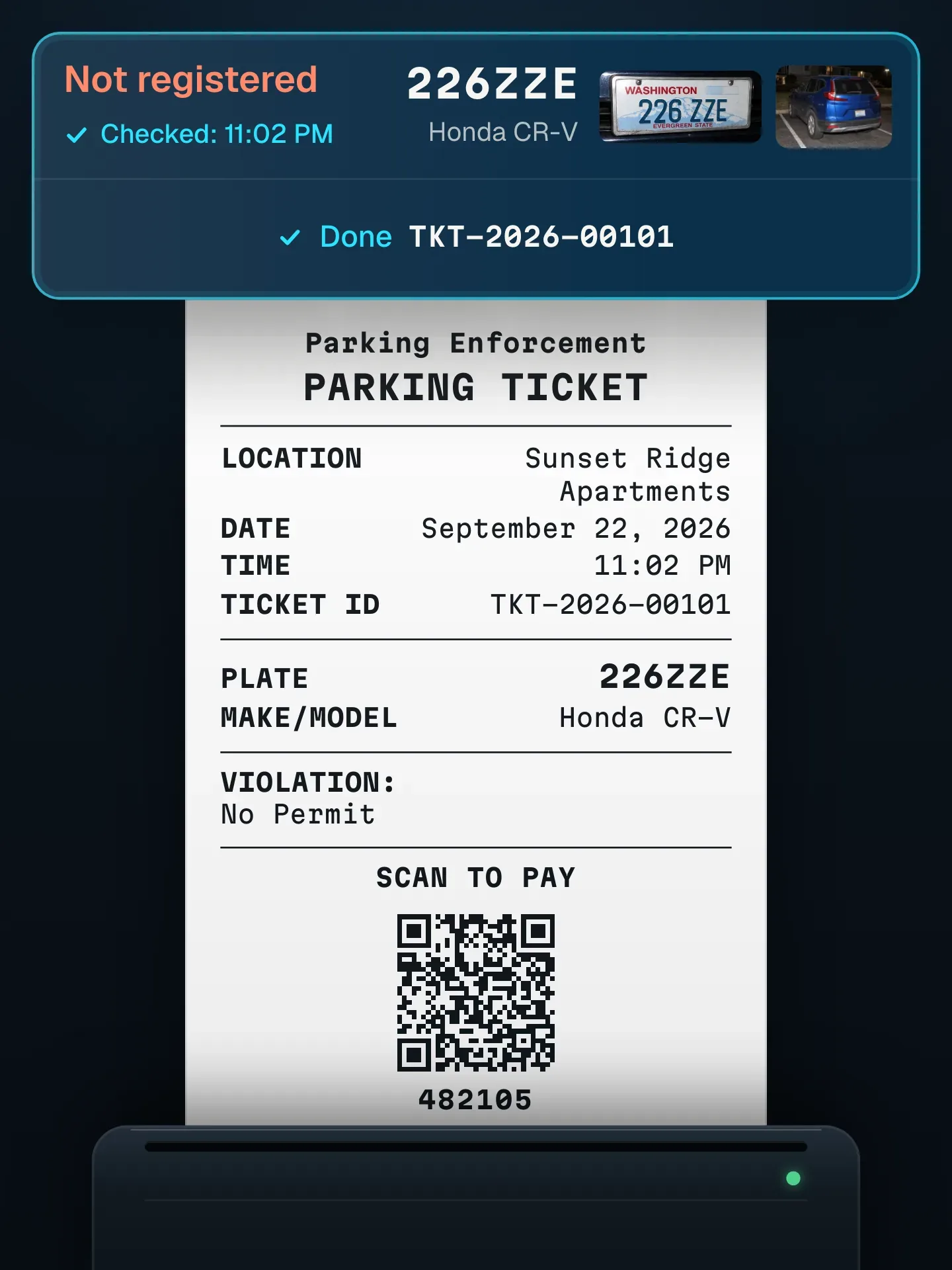
At 11:02 PM in the vehicle, one tap on Ticket for 226ZZE and the parking ticket feeds out of the printer in seconds, with its code to scan and pay. 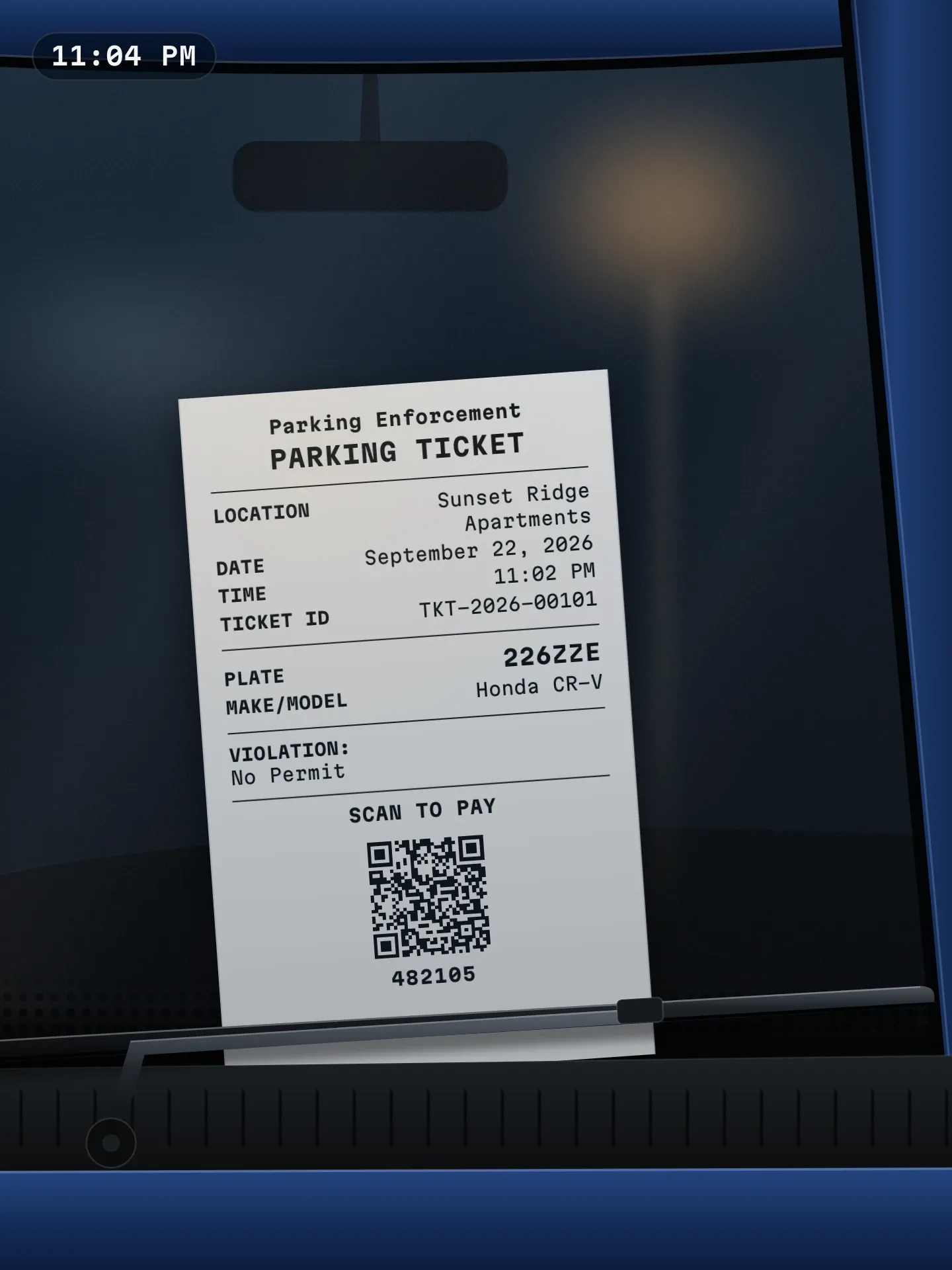
At 11:04 PM the printed parking ticket slides onto the windshield under the wiper, its code ready to scan. 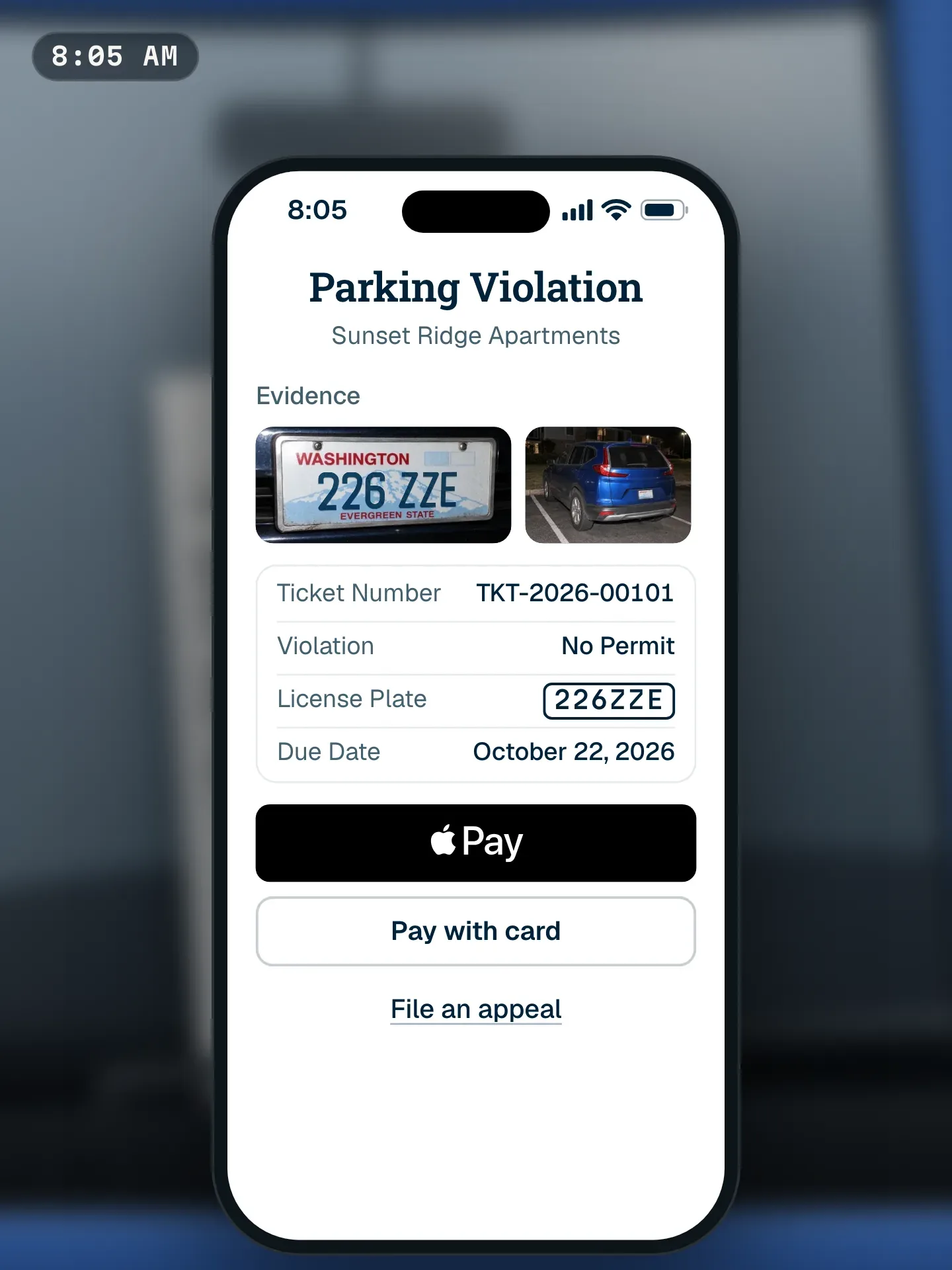
At 8:05 AM whoever parked scans the ticket’s code: the pay page opens on two photos of their car, with Apple Pay and File an appeal, and they pay: Payment Received.


Nights with nothing to tow still count.
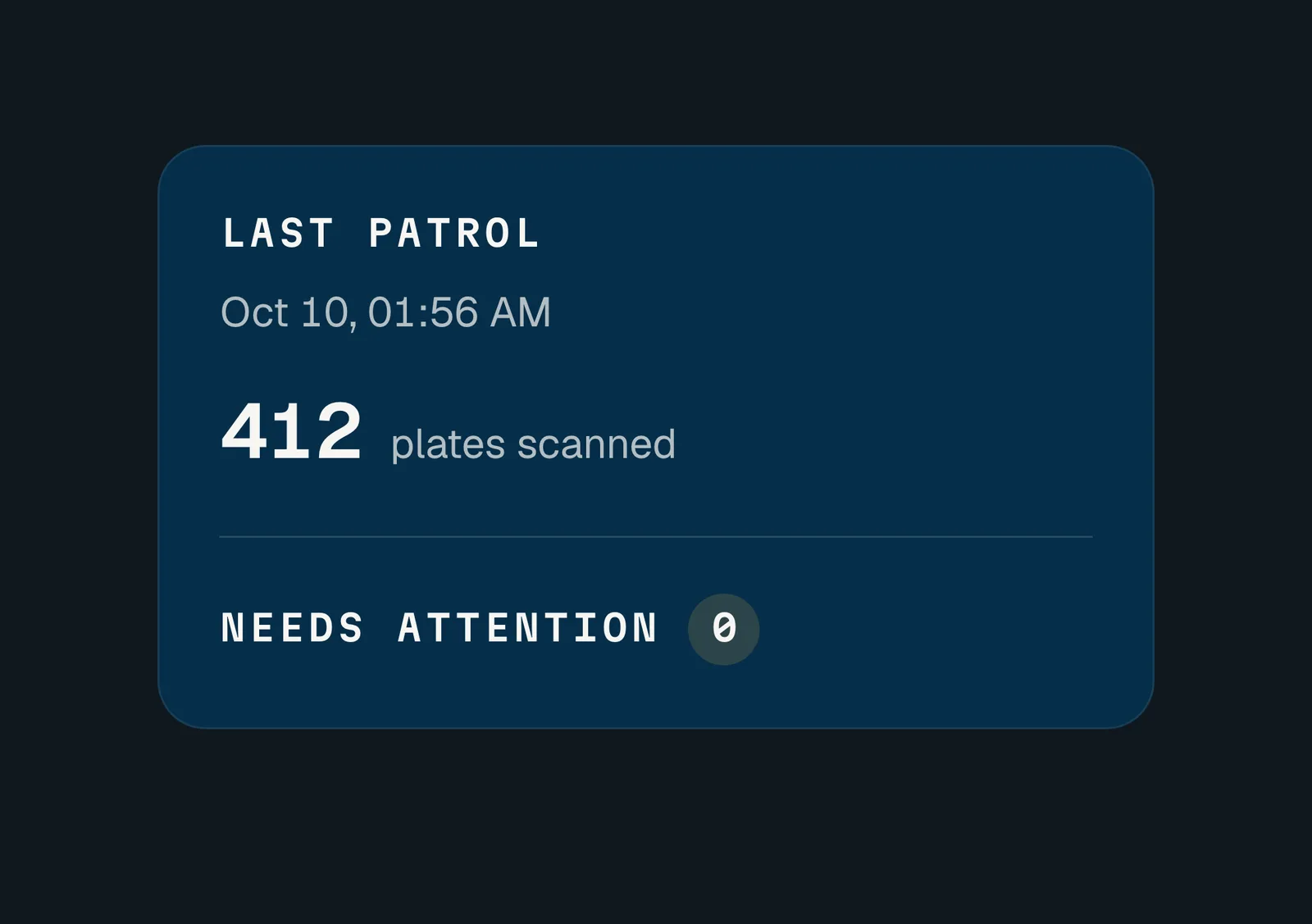
The property manager sees when your trucks came, how many plates they checked, and each tow with its photos. A night you found nothing never looks like a night you skipped.
See Patrol on your route.
Tell us a few properties on your route and the permit system at each. We’ll show you Patrol checking plates against them, and the tow request your dispatcher would get.