Enforcement you can explain, property by property.
Your client’s property manager calls: a resident’s car was towed last night, and it’s registered now. The case shows what was on file when it opened, beside what’s on file now, with the photos.
Book a demoBack to Cases
ENF-000124Dispatched To Partner
Sunset Ridge Apartments
8LXN614White Toyota RAV4Oct 7, 11:52 PM
No Permit
The plate when this case was opened
As of Oct 7, 2026, 11:52 PM
Not permitted here
Since then
Permitted here
Resident permit · Unit 223 · in Resident Surface (A) · no end date
Timeline
Violation identified
Plate check against the Sunset Ridge Apartments permit list returned no active permit. Violation recorded: “No Permit”.
Tow approval requested
Tow approved
Dispatched to partner
Registered after the warning? No second notice.
The morning after your No Permit warning, the resident registers the car. At your next check, if the permit covers where it’s parked, the warning closes on its own and no second notice goes on.
All Cases
Case #StatusPlateViolationCreated
ENF-000118Warning Issued5JVD207No PermitOct 7, 10:12 PM
- VehicleCheckActionPhotosReview
Warning resolved: this vehicle is now permitted here (ENF-000118).
Permitted
This vehicle has an active permit
Scanned 9:47 PM
5JVD207
PermittedResident Surface (A)
Unit 131
Silver Honda Civic
No expiration
BackContinue
Cover another property without guessing its rules.
One property allows tows with its manager’s OK; the next, only warnings and tickets. Your officer’s phone offers only what each allows, and marks a tow that waits for the manager.
- VehicleCheckActionPhotosReview
Select ActionChoose enforcement action
TowExternal dispatchPM ApprovalWarningPlace warning stickerTicketIssue citationSunset Ridge Apartments
- VehicleCheckActionPhotosReview
Select ActionChoose enforcement action
WarningPlace warning stickerTicketIssue citationMaple Grove Apartments
A ticket can come before a tow.
When a property wants more than warnings, you have a next step: the driver sees the photos from the slip, then pays or appeals, and reminders go out on their own.
Past a property’s unpaid-ticket limit, the car is flagged at your next check.
Ticket Lookup
Enter the payment code from the bottom of your ticket to view and pay it.
482105
Find TicketParking Violation
Sunset Ridge Apartments
Evidence
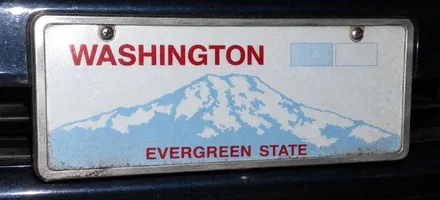
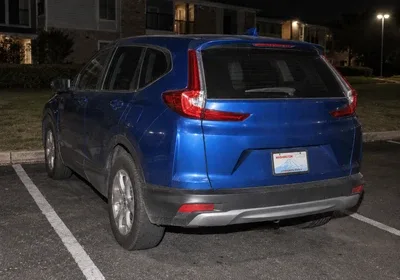
- Ticket Number
- TKT-2026-00101
- Violation
- No Permit
- License Plate
- 226ZZE
- Due Date
- October 22, 2026
File an appeal
Tow requests that arrive ready.
Your officer shouldn’t have to describe the car and the lot over the phone. Requests arrive with the plate, the car, where it’s parked, and the case number.
No trucks of your own? The request goes to the tow operator you work with. We set the routing up with you.
Tow Dispatch: 226ZZE at Sunset Ridge Apartments
Tow Dispatch
PropertySunset Ridge Apartments
LocationGuest (D)
Plate226ZZE
VehicleBlue Honda CR-V
Case #ENF-000107
ViolationNo Permit
Dispatched byProperty Manager
Catch the typo before the tow.
Your officer types an O where the resident’s plate has a zero. Before they continue, the phone shows the plate on file beside the one typed and asks which is on the car.
Not Permitted
No active permit found for this plate
Scanned 11:02 PM
7KTR4O2
Check the plate
Plates on file here are very close to this one. Compare them with the plate on the car.
Entered7KTR4O2
On file7KTR402
Gray Mazda CX-5 · Unit 214 · Resident Surface (A)
Which plate is on the car?
- The car shows 7KTR4O2
- The car shows 7KTR402
- The car shows 7KTR4O2, and it looks like the Gray Mazda CX-5 on file for 7KTR402
Answer this before you continue.
An O for a zero
Keep your towing software.
Tow requests reach your dispatcher by email, Slack, or a call, or go straight into the dispatch software Parkva connects to, and a tow driver on Parkva gets the job on their phone. Impound, release, and tow fees stay in the software you run today.
See what fits your operation.
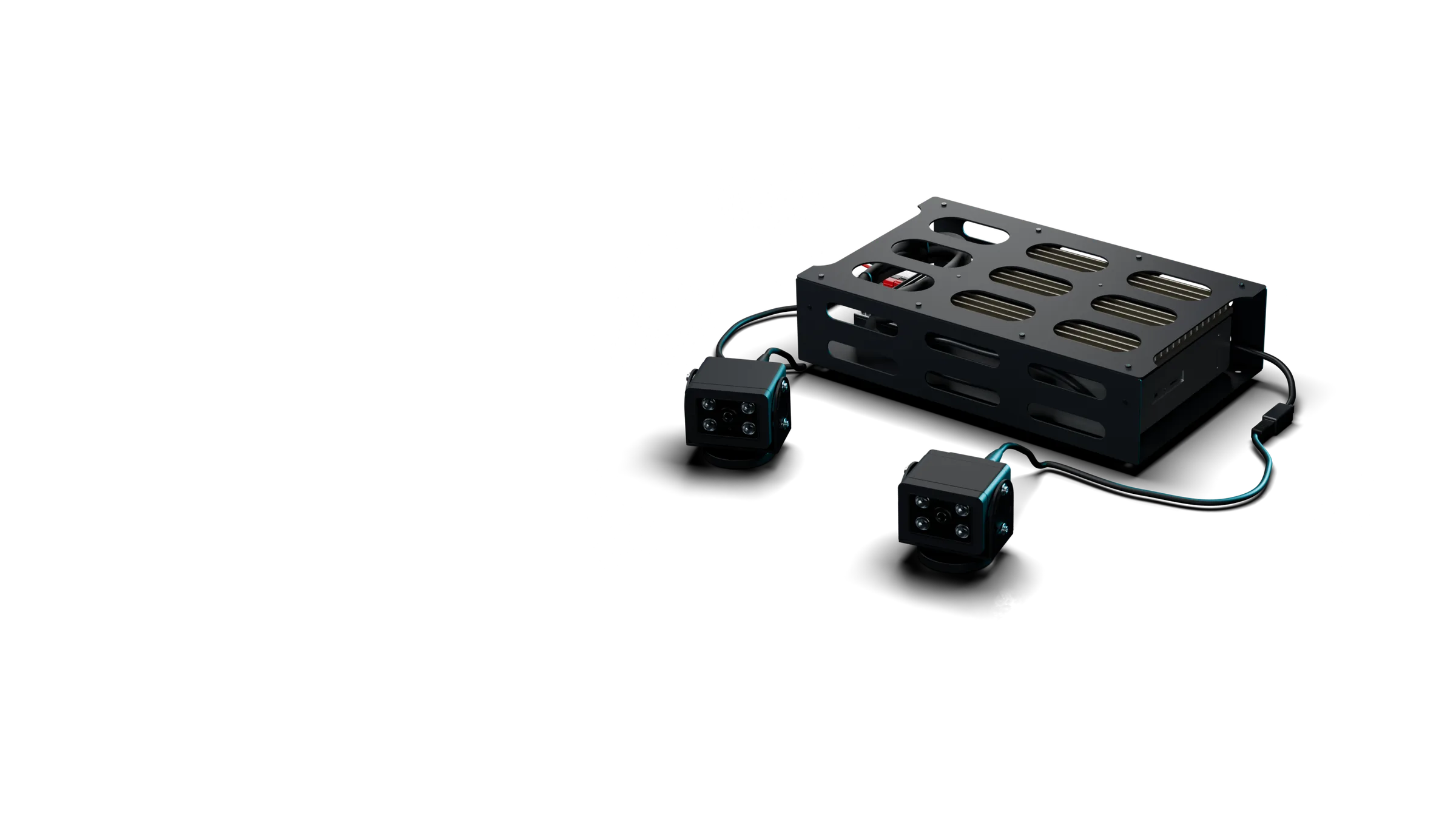
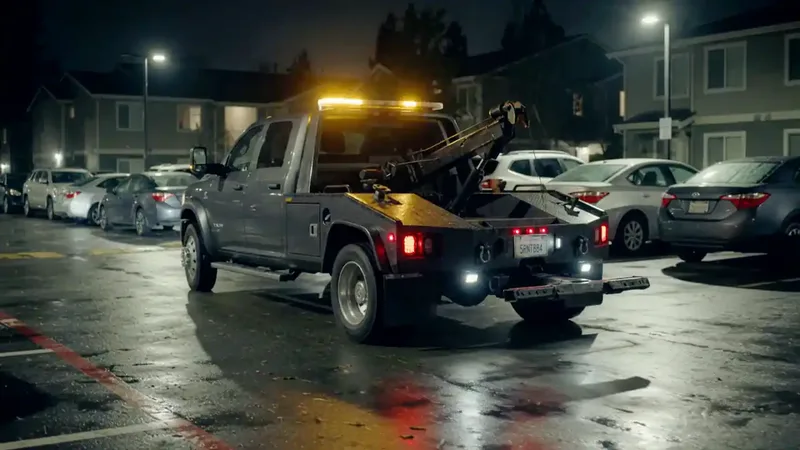
Parkva Patrol is the camera kit for your vehicles. Towing, security, or whole lots under contract: each kind of operator has its own page.

See it with one of your properties.
Tell us how you enforce one property today, and we’ll show you how it would run in Parkva.
Book a demoParkva for tow operatorsEvery plate read from the cab, what three tow companies report, and a ticket where a tow doesn’t fit.Get the guide