Can residents pick their own reserved space?
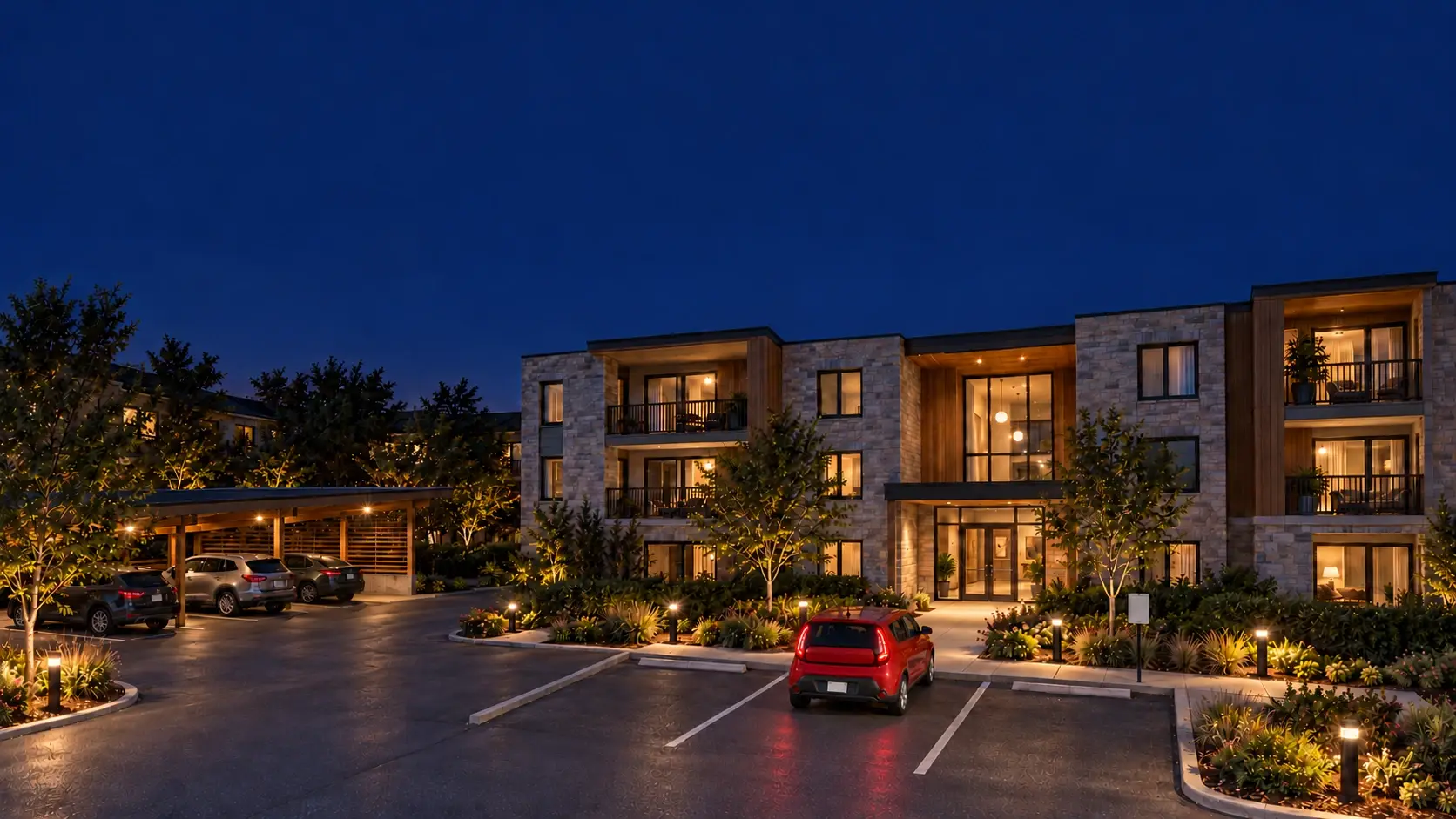
Residents can choose a numbered carport, garage, or EV space as they pay, like choosing a seat, and no space can be assigned to two homes.
In short
- Number the spaces you want to offer, and residents can pick the exact one as they pay for it, like choosing a seat.
- A space a resident taps is held for them while they finish, and once it’s theirs, no other home can hold it at the same time.
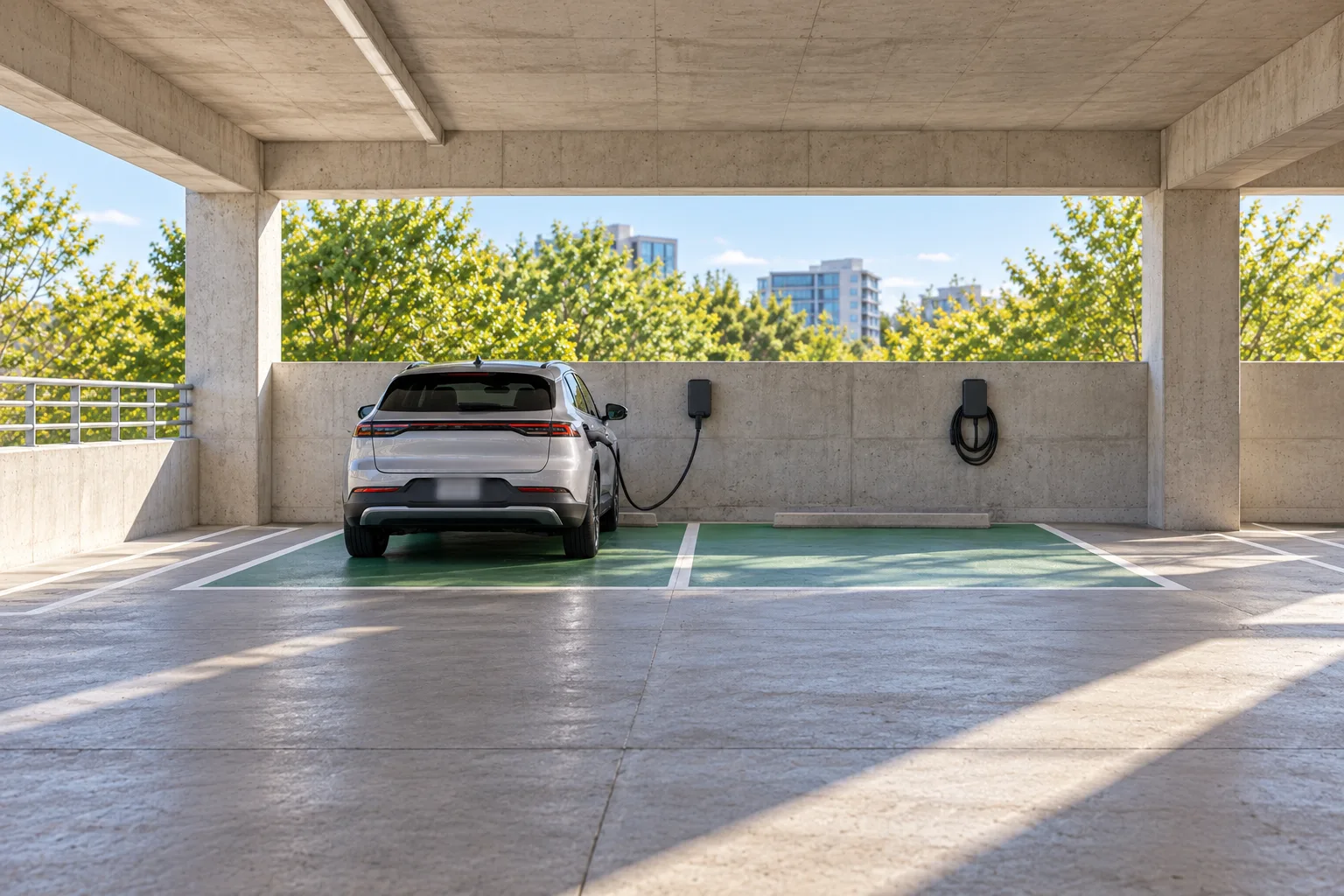
- An EV space is sold as a space: the price is for the parking, not the electricity.
- Your office can bring in the numbers you already use, assign and swap spaces, and close one for repairs.
Yes. Number the spaces you want to offer, and residents can pick the exact one as they pay for it, like choosing a seat on a plane. In Parkva, a space a resident taps is held for them while they finish, and once it’s theirs, no other home can hold it at the same time. Your office can still assign spaces itself wherever that suits better. And an EV space is sold as a space: the price is for the parking, not the electricity.
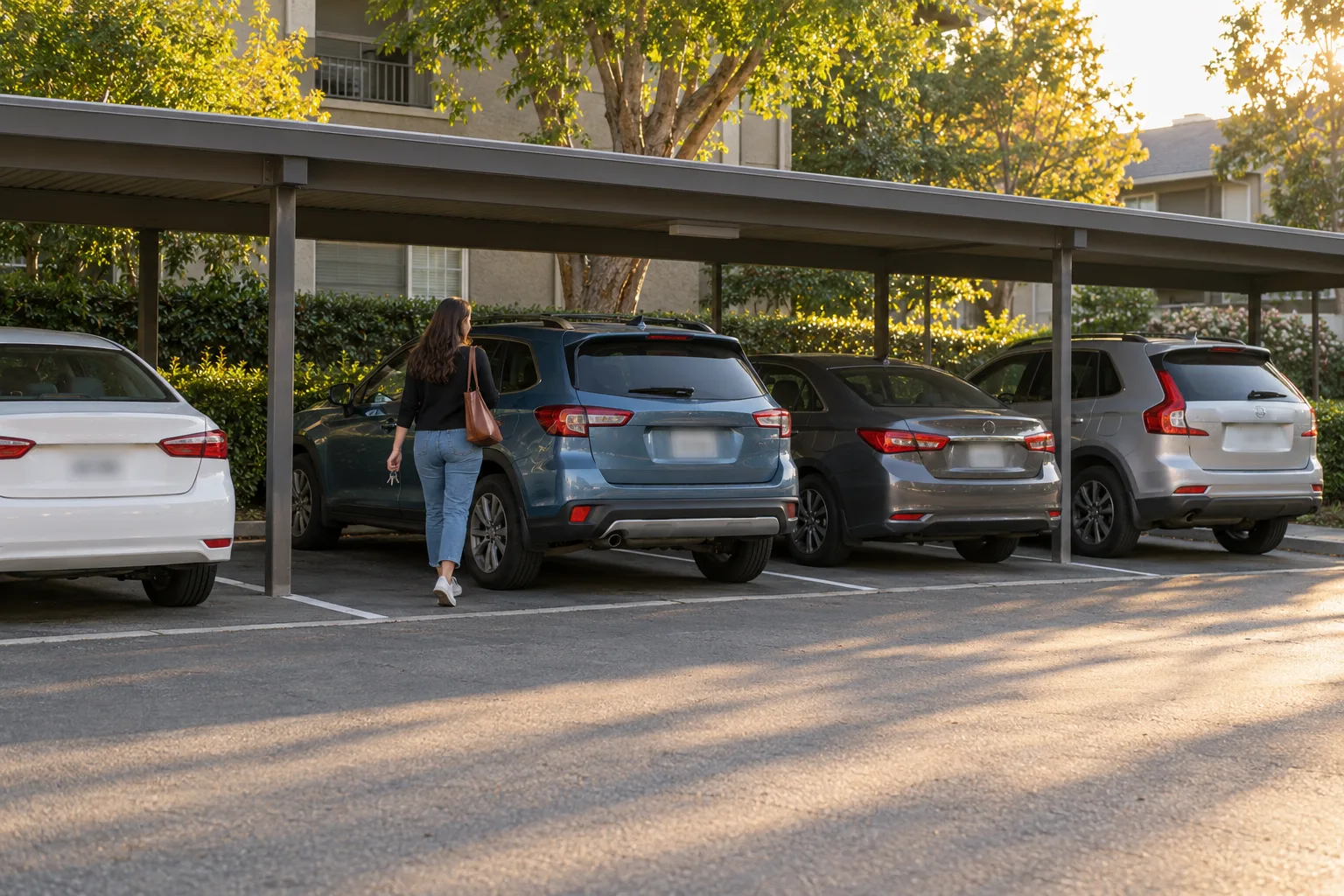
A carport list on paper, or a spreadsheet only one person really keeps, makes promises nobody can check. Someone at the desk tells a resident that carport 114 is open. Someone else, working from yesterday’s copy, offers it to the next person who asks. Both residents arrive on the first of the month with the same number in mind, and you get to choose which one to disappoint.
It isn’t carelessness. The paper list lives in one place, and the decisions get made in several. What fixes it is one record of who holds each space, the same record the office and the resident are both looking at when the choice is made.

Before Parkva · a paper carport list
As they pay for it. When a resident buys parking in an area where residents pick their own space, the checkout shows the spaces still open, and they tap the one they want. The space is held for them for ten minutes while they pay. If two residents tap the same space, the second sees that it was just taken and picks another.
Once the payment goes through, the space is assigned to their home, and the resident knows exactly where to park tonight. There’s no trip to the desk to ask which one is theirs, and no second person holding the same number. From then on the space shows on their dashboard beside their car, so the number is on their phone the first night they come home late.
If every space in the area is already taken, the sale stops before anyone is charged. A resident never ends up paying for a space that isn’t there.
Treat each one as a space with a label. Mark your EV spaces as EV charging spaces, and residents see them labeled that way when they pick. The price is for the space, not the electricity, so tell residents plainly how charging works at your property before they pick: whether the charger is free to use, paid at the charger, or arranged some other way. That way a resident who picks a charging space knows exactly what they’re paying for, and the first night at the plug doesn’t end in a call to your office.
Accessible spaces often work best the other way round. Hold a space back for the office, and it stays out of what residents can pick until you assign it yourself, so you can place it in person with the resident who needs it.
Yes. Bring your carport or garage list in from a spreadsheet: each space’s number, the home that holds it, whether it’s open, under repair, or held back for the office, and its type, like EV. Nobody gets a new number, and the numbers painted in the lot still mean what they meant.
When you import an updated list later, Parkva matches spaces by their numbers and never changes who holds one. If there’s no list to bring at all, you can create a numbered range and assign as you go.
Before the first import, take the spreadsheet out to the lot and check it against the paint. A walk there now saves the surprise on the first of the month.
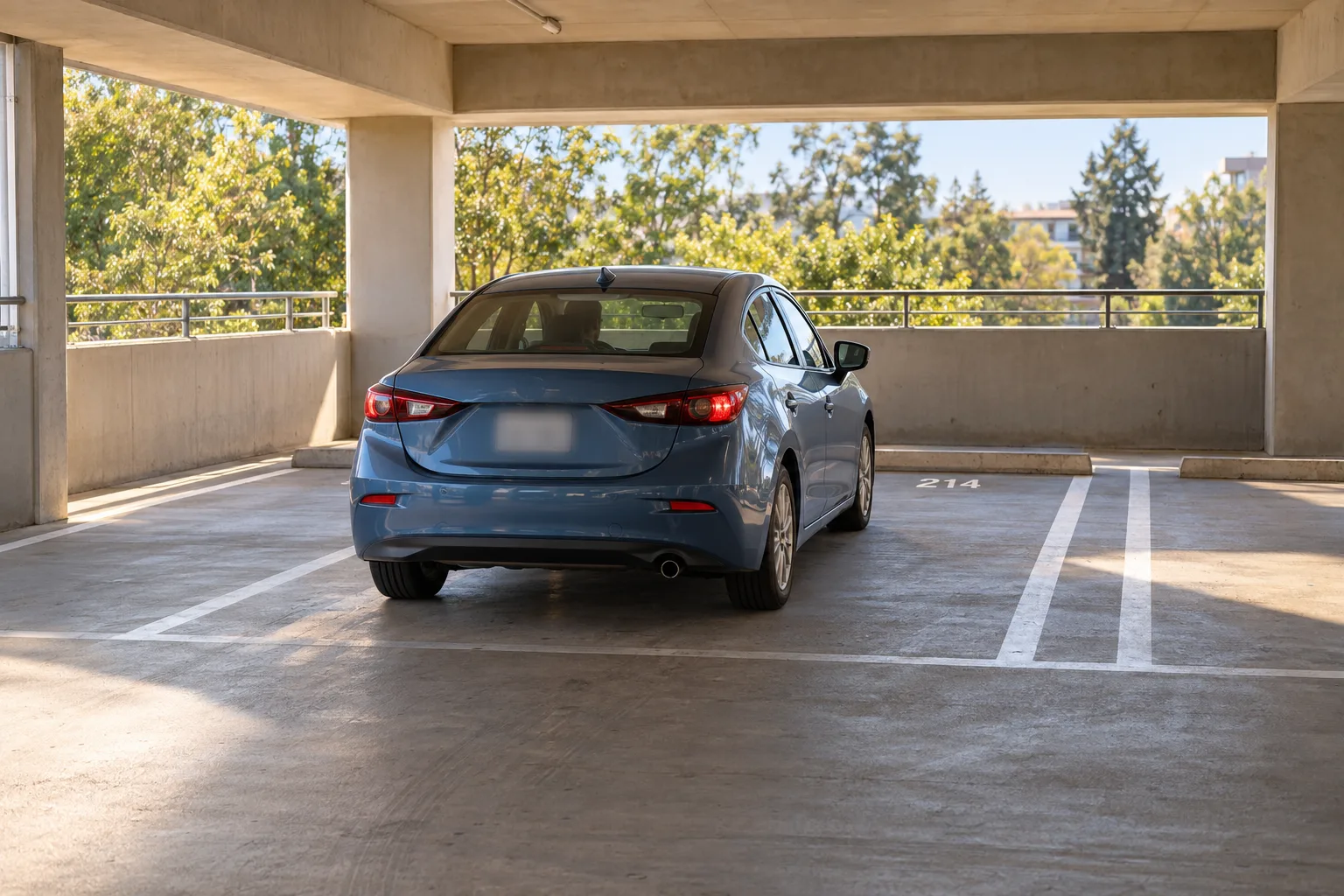
Your office makes the change, and Parkva tells the residents. Assign a space and the home’s residents get an email with their number, plus a text where they’ve agreed to texts. When two neighbors want to trade carports, one swap moves both and tells each home once.
When a space needs repairs, move the resident who holds it to another space first, then mark it out of service with the date it comes back. It reopens on its own that day. If the lot is restriped and a space gets a new number, the home that holds it and its history move to the new number with it.
It’s the same job the clipboard was trying to do: one current answer to “whose space is this?” Only now each resident can see which space is theirs.
Take one row of spaces, the office’s list, and a pen out to the lot.
See how paid parking works on a property, and how residents choose their own parking with Parkva Permit. And the paid parking calculator asks a few quick questions about your property and shows what paid parking could bring in.