How security operators add parking to the rounds they already run
Your officers are already on the property at night. Adding parking turns a nightly complaint into checked work that shows up in the morning report.
In short
- Your officers are already there at night, and parking is usually happening right in front of them.
- Patrol checks plates against the property’s list. What happens to a car is your officer’s call, inside the rules the manager set.
- Who can say yes to a tow depends on the state, and some want that person on the property. An officer on site can verify and route it; the property decides who signs.
- The morning report carries the night’s parking beside everything else your team checked.
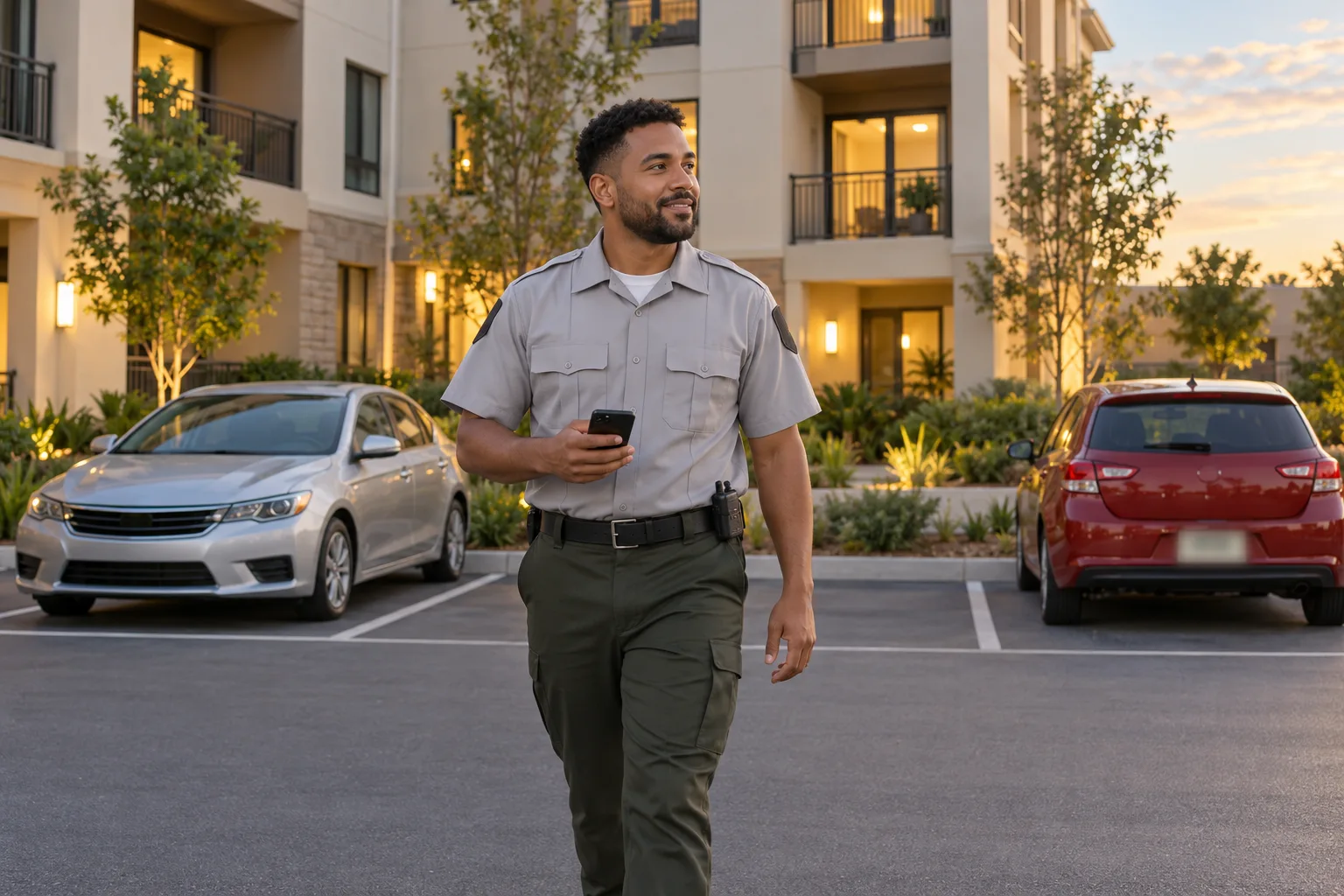
Your officers are already on the property after dark, checking gates, doors, and lights. Parking is usually happening right in front of them: the car in a resident’s assigned space, the guest pass that ran out, the pickup in the fire lane. Adding parking enforcement means those things get checked and handled on the same rounds, by the rules the property sets, and they show up in the same report the property manager reads in the morning.
Because the property manager already lives with the problem, and your team is already there. A resident comes home at 11 PM to find someone in their space. By morning the manager has an angry email and a photo, and no idea what happened next.
If your team handles parking, the answer is in the report: what was checked, which cars were warned or ticketed, and what’s waiting on the manager. It’s a service the property can see working every morning, and it grows what you do for an account you already have.
The same way the rest of the rounds do: agreed ahead of time, and recorded as you go. With Parkva Patrol on a vehicle, plates are read as your officer drives the lot and checked against the property’s permits. On foot, an officer can read a plate from a photo on their phone. The reading is automatic. What happens to a car is your officer’s call, inside the rules the manager set.
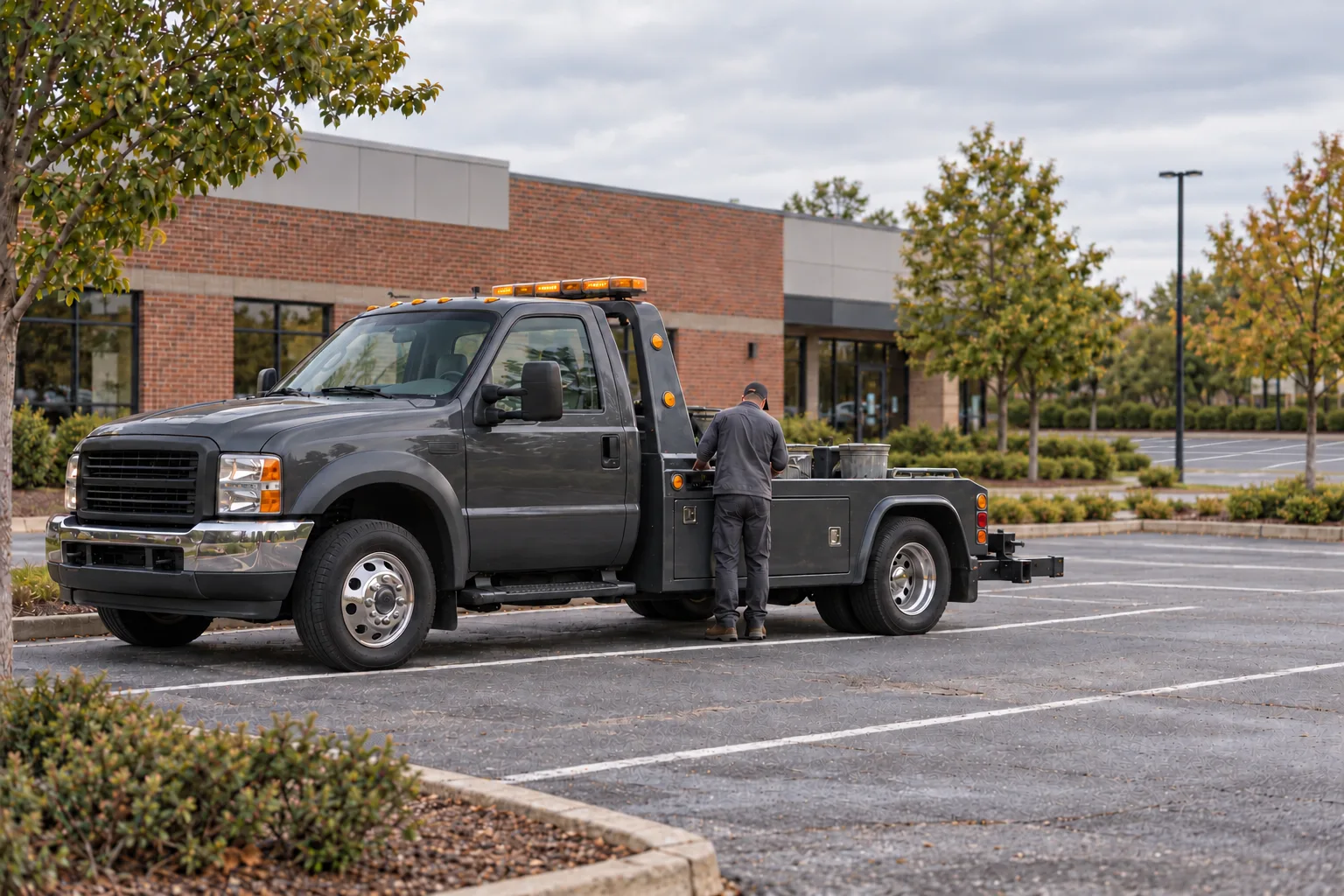
That call can be a printed warning, a ticket written and printed on the spot, or a tow request. Before any ticket or tow, the record is checked again, live, so a guest who paid a minute ago shows up as paid. When the property works with a tow operator, the request goes to them on the same case, with the photos and the violation already attached. Your officers never need to hook a car to run the program.
It depends on the state, and the rules have been getting more specific. In California, a tow from private property generally needs written authorization from the owner or someone acting for them, and that person has to be on the property when the car is removed. In Arizona, the property owner or their agent signs off, and the towing company can’t act as that agent. Colorado asks for signed permission for each tow, given within the 24 hours before it, from the owner, the HOA, or their own staff, and never automated or preapproved.
What these share is that someone who answers to the property has to look at the situation and decide. Your officer, already on site, can do the looking: verify the violation, photograph it, and get the request in front of whoever the property names, with the evidence attached. Whether your company can be the one who signs is the property’s decision under its state’s rules, so settle it with the property and its attorney before your team handles a single request.
One report, with parking in it. Parkva Guard builds the night’s report from what your officers already recorded: the checks, the photos, the notes. The manager gets a short brief, a map with a pin for each check, and a timeline beside it. When your Patrol vehicle covered the property that day, the run lands on the same map and timeline, with the plates scanned and the violations found. Each warning, ticket, and tow keeps its own record, with its photos.
You decide what the property sees and when. Reports can go out on a schedule, held for your approval first, and an empty report is never sent.

A line that grows with properties, not hours. The guarding contract stays exactly as it is. Parking adds work your officers can do on a shift that’s already paid for, with the dial turned as far as the property wants: warnings and tickets only, with towing left off entirely, is a perfectly good setup.
Ticket payments go to the operator that wrote the ticket. Where the property adds paid parking, each payment divides automatically when it’s made, as the property and its operator agreed, so nobody invoices anybody. Parkva never sets the amounts.
Pick one account where the manager already complains about parking, and design the service with them.
See how Parkva fits a security operator’s business, and how Parkva Guard builds the morning report.
Sources
- California Vehicle Code §22658California Legislative Information.Read .
- Arizona Revised Statutes §9-499.05Arizona State Legislature.Read .
- Colorado Revised Statutes §40-10.1-405 (2026)Colorado Office of Legislative Legal Services.Read .