How tow operators keep properties by running the parking program
Property managers keep the operator who keeps the lot working for residents, so the work between tows, and the record of it, is what keeps an account.
In short
- A property manager keeps the operator who keeps the lot working for residents, and who can explain every tow.
- Meet each property where it is. Check the permit system it already uses, learn the cars on a hang-tag lot, or bring it digital permits.
- Warnings, tickets, and approvals with the photos attached give the manager a reason for every action.
- Built-in ticketing and paid parking broaden how you earn, without a single extra tow.
Property managers don’t keep a tow operator for the tows. They keep the one who keeps the lot working: residents find their spaces, guests know where to go, and when a car does leave on a hook, there’s a clear reason on the record. That’s a parking program, and running one is how you become the partner a manager can stand behind when a resident complains. The good news is that every property doesn’t have to start from the same place.
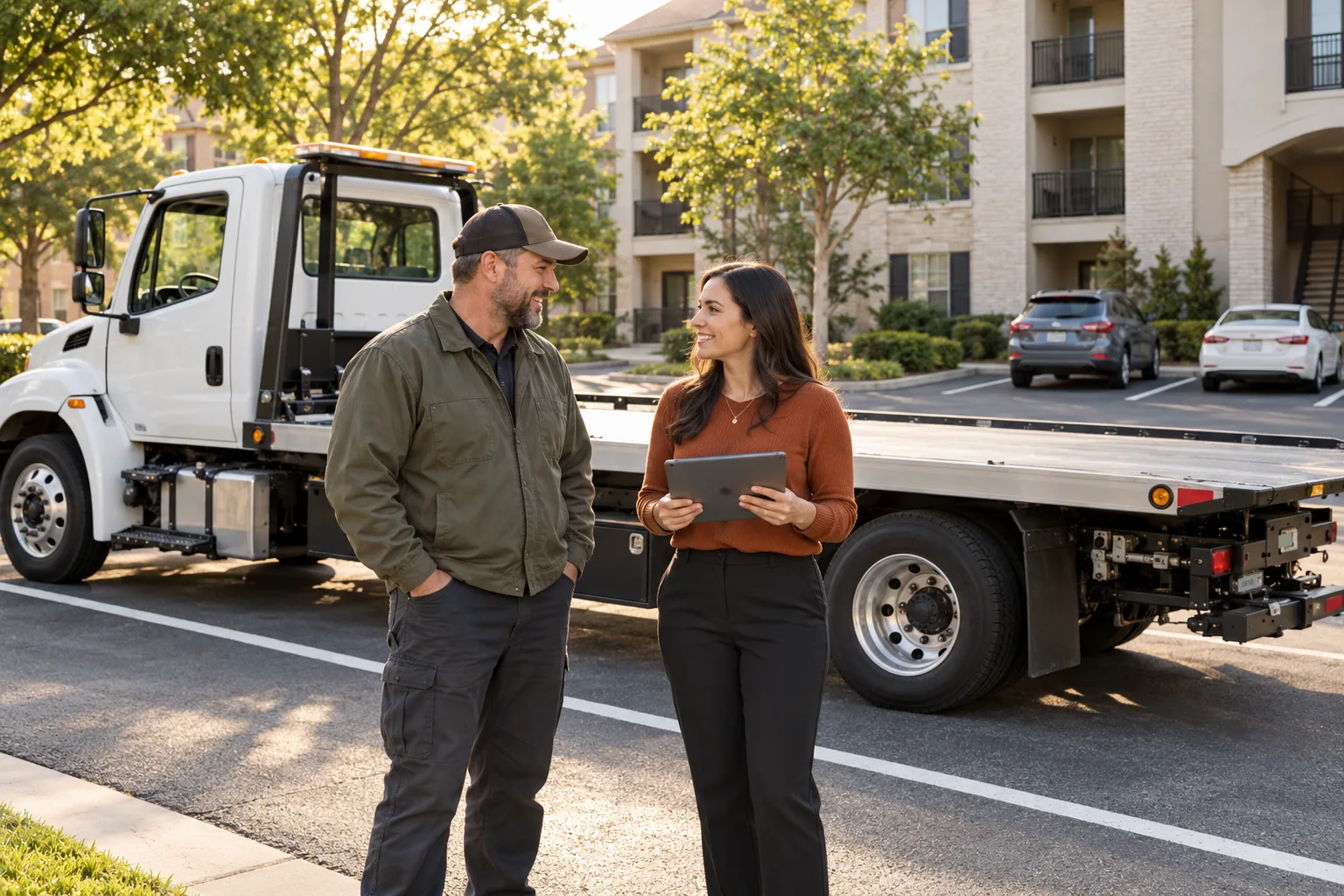
Fewer parking complaints, and an answer when one comes in. The manager hears about parking from residents, from the board or the owner, and from whoever just had a car towed. What they need from you is a lot that works and a record that explains it.
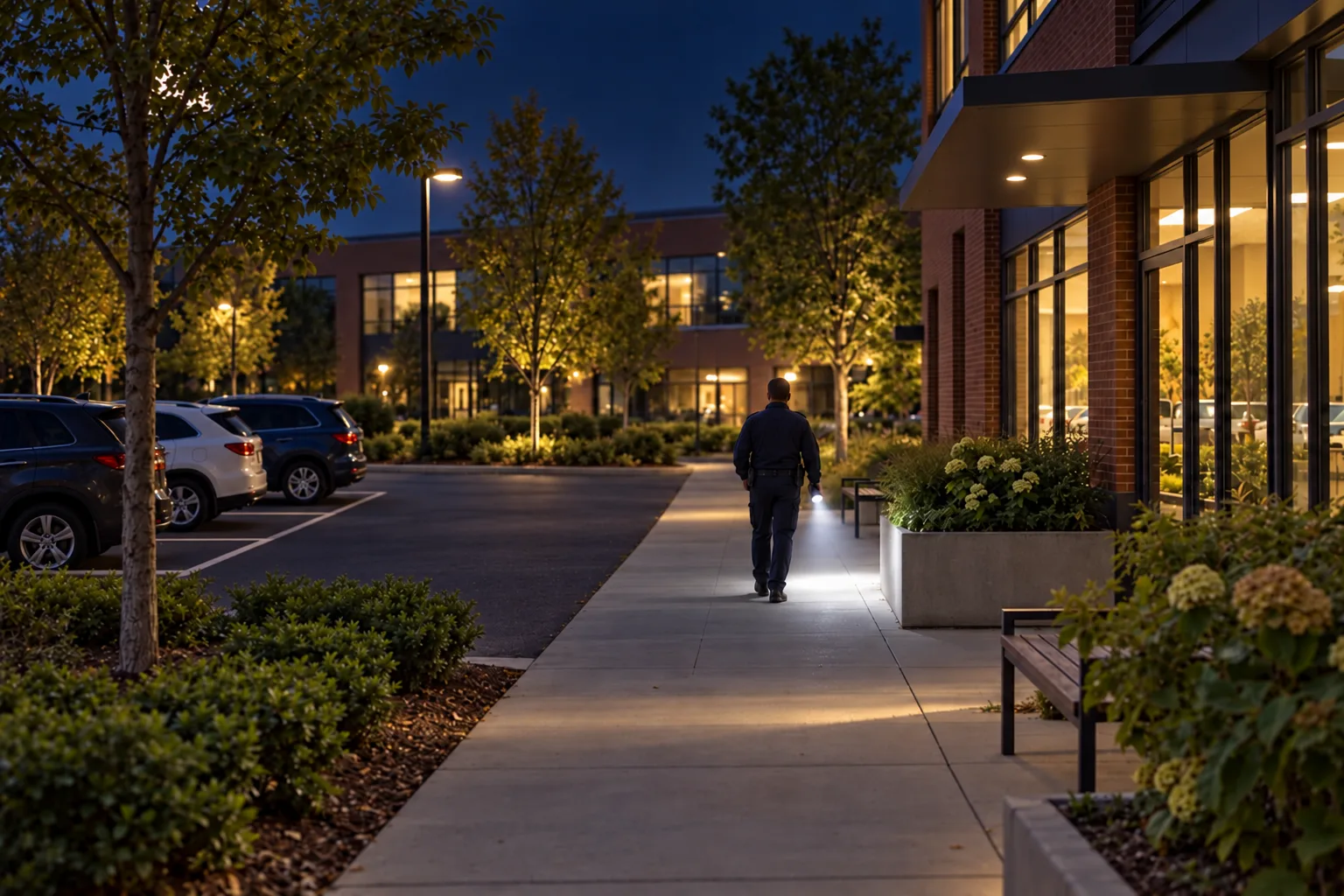
When you share your patrol findings in Parkva, the manager sees when you last came through, how often you’ve patrolled this week, and the cars you found without a permit. Their Enforcement page shows every warning, ticket, and tow you recorded, with how each one ended. The quiet nights count too. A pass where nothing needed doing is still work you did for that property, and now the manager can see it.
Usually, yes. A property that already has its residents in a permit system isn’t going to switch because you showed up. Parkva Patrol reads plates as your vehicle drives and checks each one against the property’s list, and it reads the outside permit systems properties already use, with your own login, ParkMobile, Parking Boss, and ParkingPass among them. Where a property uses more than one, Patrol checks all the linked lists in the same pass.
So the first conversation is about what’s already working for the property, not about a migration. Your drivers check the plates the property already permits, and the manager keeps the system residents know.

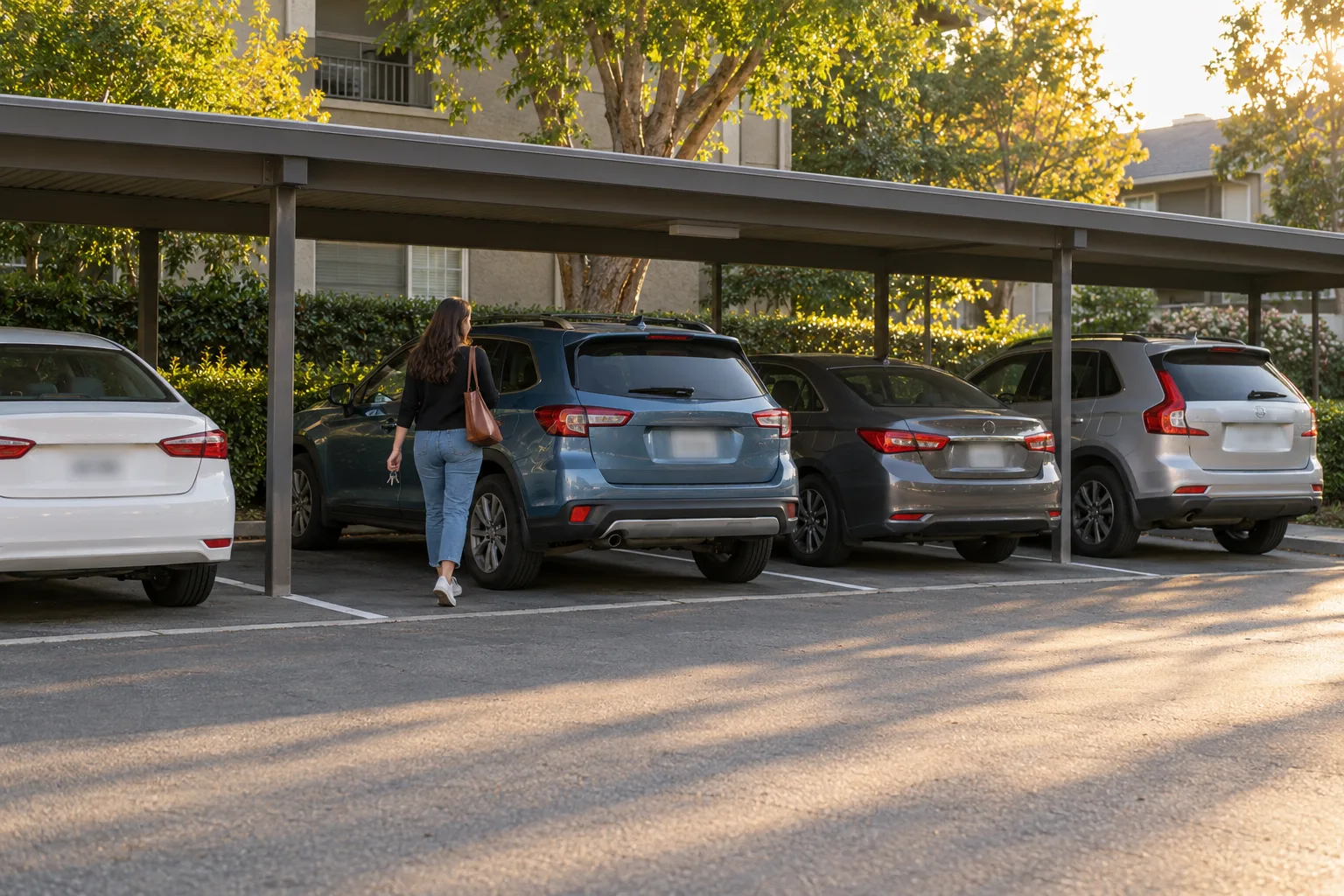
Start there, too. On a hang-tag lot, Patrol learns which cars belong: the first pass records every plate, your team marks the regulars as validated, and on every pass after that, a new car stands out. Patrol doesn’t read the tags themselves, so your driver still checks a tag where it matters. But nobody has to walk every row to know which cars are new.
And when a property is ready for digital permits, you can bring it Parkva Permit. Residents register their own cars, guests register from a link a resident sends, and every one of those passes lands on the list your patrol checks. The office can bring in its rent roll and see it read back before anything is saved.
By keeping the reason with the car. Before your driver prints a ticket or asks for a tow, Patrol checks the plate again, live, and shows everything on file: the permit, the zone, any warning already given, and what’s happened to that car here before. A guest who paid a minute ago shows up as paid.
If the property wants to approve tows, the request goes to the manager with the photos, the violation, and whether the car belongs to a resident, and nothing moves until they decide. Every warning, ticket, and tow lands on one case with its photos and its outcome. When the manager asks why a car got towed, you both open the same record.
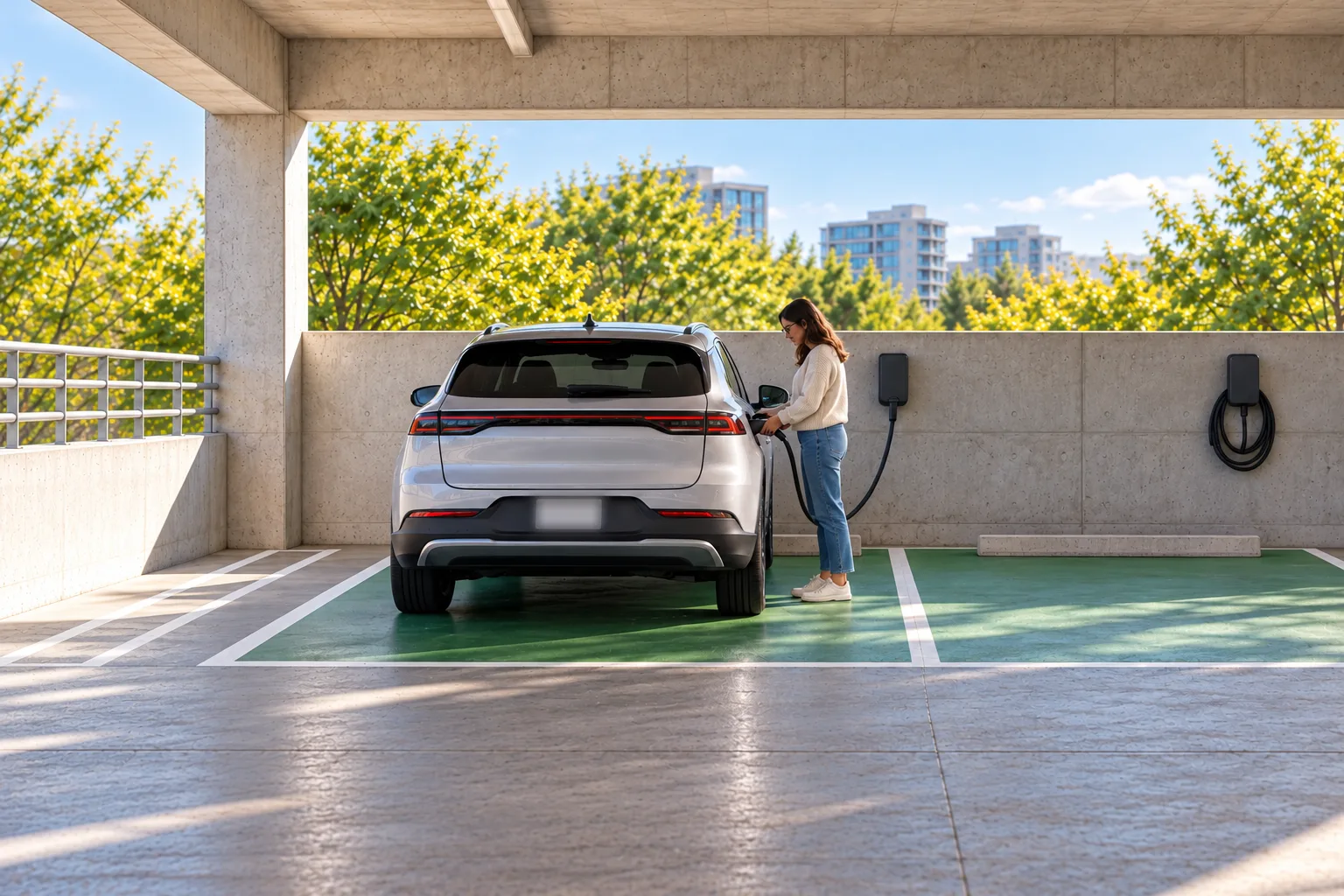
By solving more of the property’s parking problems. A property might need a fair way to handle long-staying guests, or want to charge for covered spaces that everyone wants. Parkva Permit handles paid guest passes and paid premium spaces alongside the parking that’s included with rent, and a paid pass goes straight onto your patrol list.
Ticketing is built in, too, so a warning that didn’t work can become a ticket instead of a tow. That broadens how you earn on an account without a single extra hook. The money is plumbing: each payment divides automatically when it’s made, as the property and its operator agreed. Parkva never sets the amounts.
Pick one account and one recent complaint, and walk it through with the manager.
See how Parkva fits a tow operator’s business, and how Parkva Patrol reads a lot.